 |
Week of
December 12 |
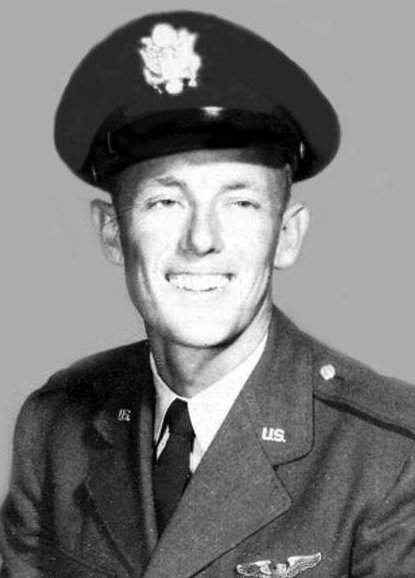
On December 9, 1972, a flight of three U.S. Air Force RF-4C Phantom reconnaissance aircraft were on a mission over North Vietnam when alarms, warning of the approach of surface-to-air missiles (SAMs), began blaring inside their cockpits. One SAM reached the... |
 |
Week of
December 5 |
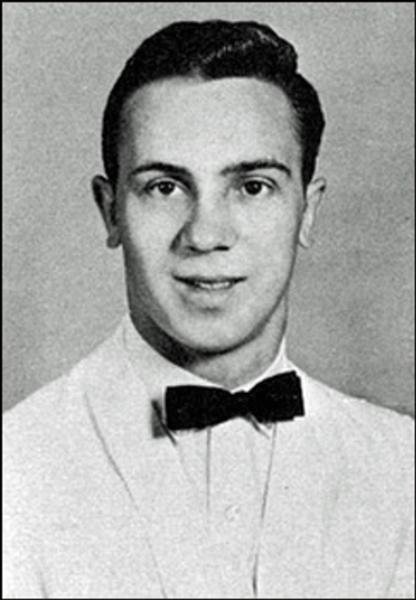
Somehow, through all the noise of battle, Private First Class Lewis Albanese heard the shots of a lone rifle. His platoon had just been ambushed by a large number of Viet Cong forces to their front. But the sound of the lone rifle Albanese honed in on came from his left... |
 |
Week of
November 21 |
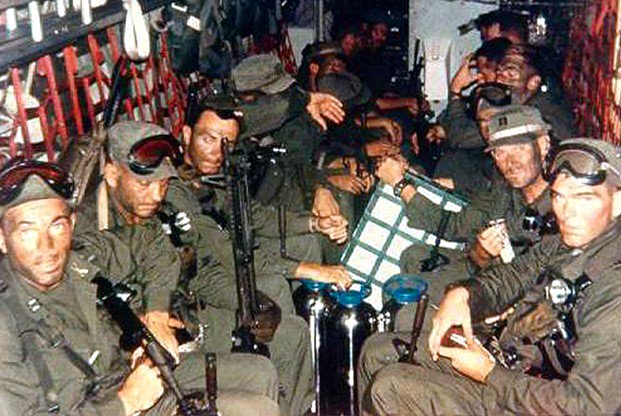
On November 21, 1970, a joint team of 92 U.S. Air Force Special Operations troops and 56 Army Special Force personnel conducted one of the most daring and dramatic missions of the Vietnam War when they raided a Vietnamese prison facility... |
 |
Week of
November 14 |
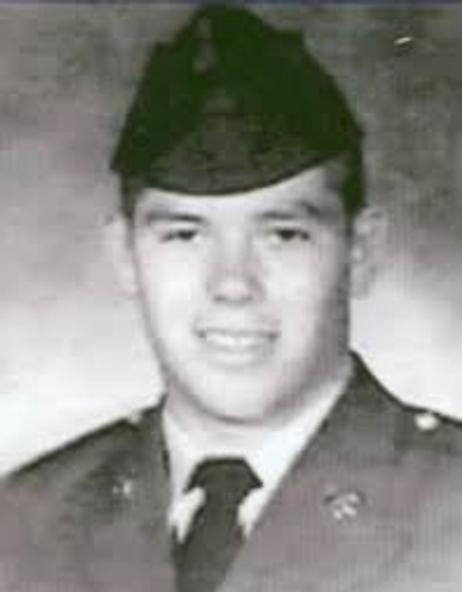
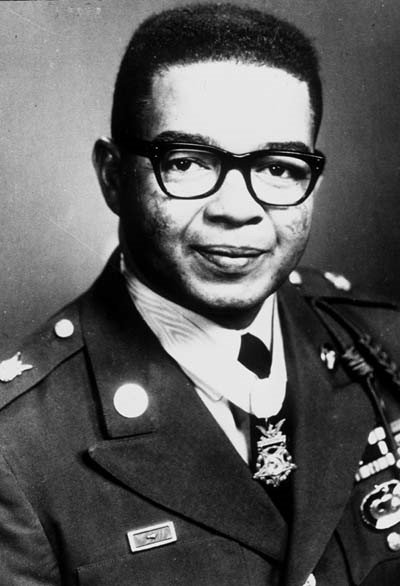
Early in the morning of November 11, 1969, soldiers of the U.S. Army 5th Cavalry Regiment, 1st Cavalry Division, suddenly came under mortar and rocket attack at Fire Support Base Jerri, in Phuoc Long Province, South Vietnam. The North Vietnamese Army... |
 |
Week of
November 7 |
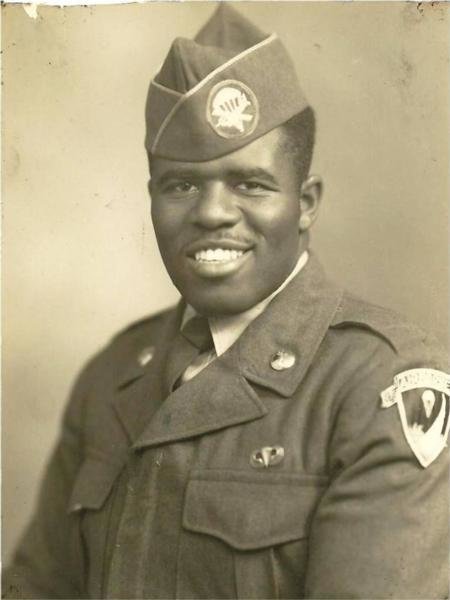
On November 8, 1965, elements of 1st Battalion, 503d Infantry Regiment, 173d Airborne Brigade were on a search-and-clear operation in the infamous Iron Triangle region, northeast of Saigon, when they stumbled... |
 |
Week of
October 31 |
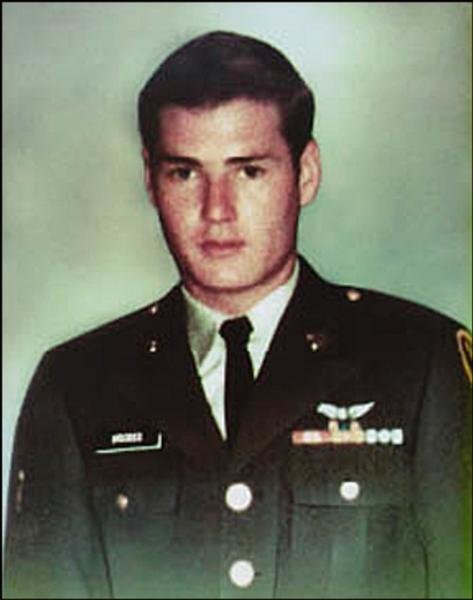
On the evening of October 29, 1967, U.S. Army soldiers assigned to A Company, 1st Battalion, 18th Infantry Regiment, 1st Infantry Division—leading a contingent of Montagnard local forces—worked to secure a helicopter landing zone in a small clearing of the Loc... |
 |
Week of
October 24 |
October in Southeast Asia is the middle of typhoon season, and on October 20, 1968, two intense typhoons were churning off the coast of the South Vietnamese Central Highlands. The resulting high winds, sheets of rain, and... |
 |
Week of
October 17 |
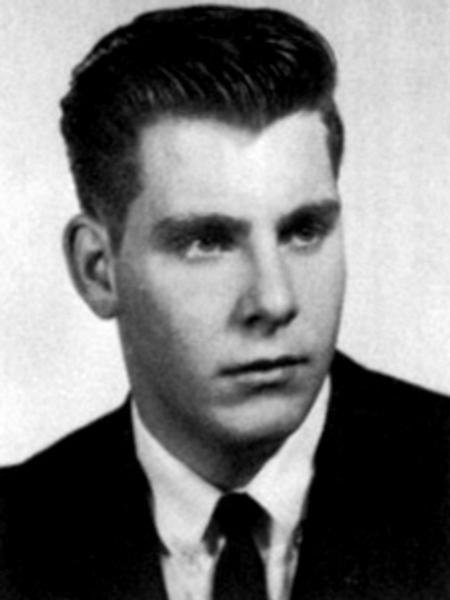
On October 17, 1967, elements of the U.S. Army 2d Battalion, 29th Infantry Regiment, 1st Infantry Division engaged a large force of Viet Cong fighters along a small stream named the Ong Thanh. Two understrength American companies found themselves... |
 |
Week of
October 10 |
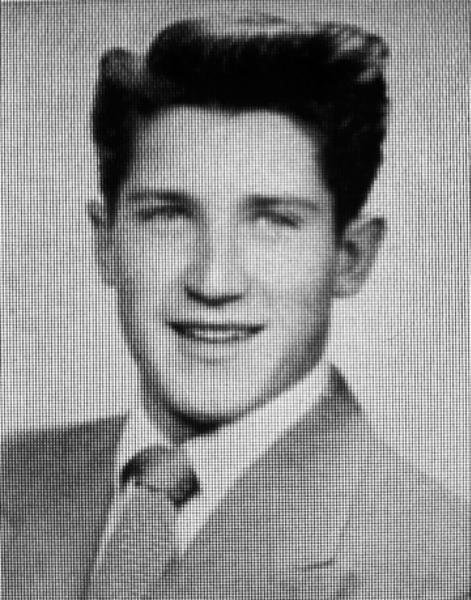
On October 8, 1969, Marine Corps Staff Sergeant Williams O. Jackson heard of a unit of Marines at a remote outpost near the Laos border in dire need of ammunition and supplies. The convoy assigned to deliver them, however, would need to go by a dangerous route,... |
 |
Week of
October 3 |
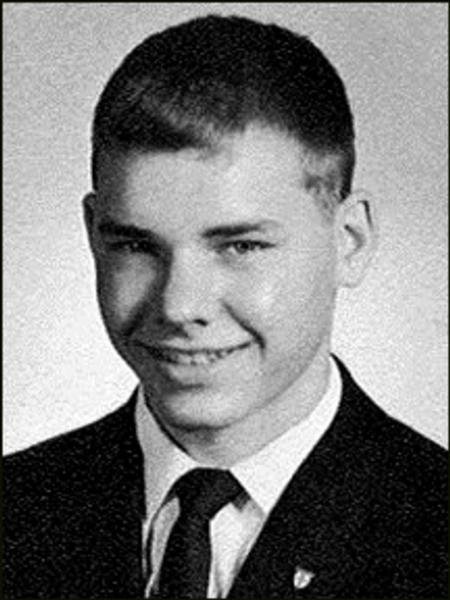
On October 2, 1964, U.S. Air Force Captain Kenneth E. Walker and his South Vietnamese copilot were flying an air support mission in an A-1 Skyraider for South Vietnamese ground forces near the coast of Vinh Binh Province. The two men successfully dropped their... |
 |
Week of
September 26 |
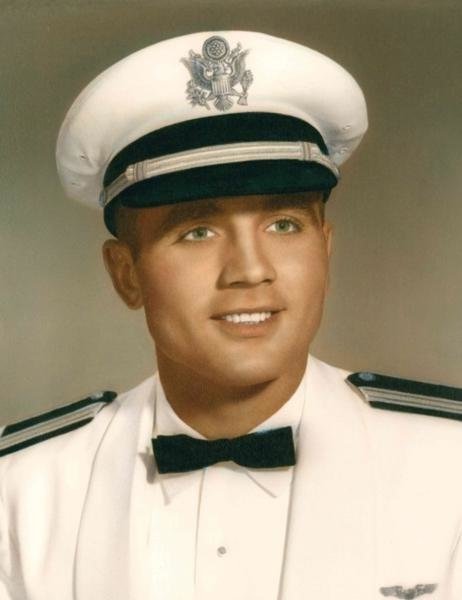
On September 24, 1971, Warrant Officer Steven Hanson was piloting his OH-6 Cayuse scout helicopter on a mission over Quang Tri, South Vietnam. As he and his two crewmen made a low pass over a target, their OH-6 was hit by small arms fire and crippled.... |
 |
Week of
September 19 |
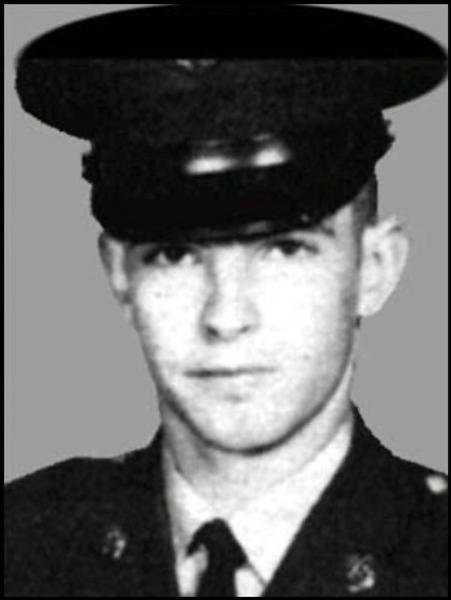
On September 17, 1965, Captain Dean Klenda took off in his F-105 Thunderchief fighter-bomber to attack targets in Son La Province, North Vietnam. His mission was part of the ongoing Operation ROLLING THUNDER, a major bombing campaign ordered by... |
 |
Week of
September 12 |
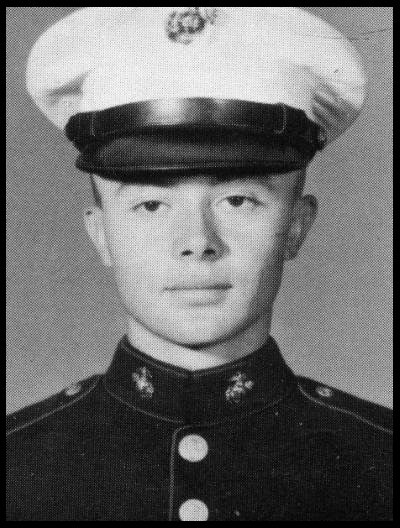
On September 14, 1969, Sergeant Donald Skidgel was helping provide security for a U.S. Army convoy on Highway 311 outside Song Be, South Vietnam, when his unit was ambushed by two North Vietnamese Army companies. Through over two hours of intense... |
 |
Week of
September 5 |
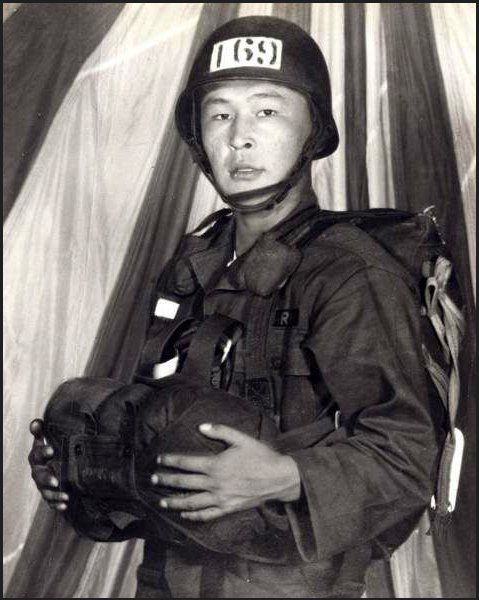
On September 4, 1967, the U.S. Marine Corps began Operation SWIFT in the Que Son Valley of Quang Nam Province, South Vietnam. In the first hours of the operation, elements of Company B, 1st Battalion, 5th Marine Regiment, 1st Marine Division, were ambushed... |
 |
Week of
August 29 |
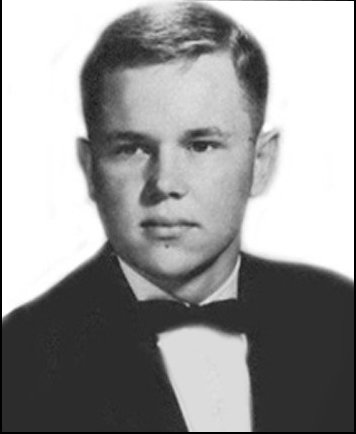
On August 27, 1965, Private First Class George Kilbuck was with A company, 2d Battalion, 502d Infantry Regiment, of the 101st Airborne Division on a search-and-clear operation in South Vietnam. When his company reached a waypoint on top of a hill,... |
 |
Week of
August 22 |
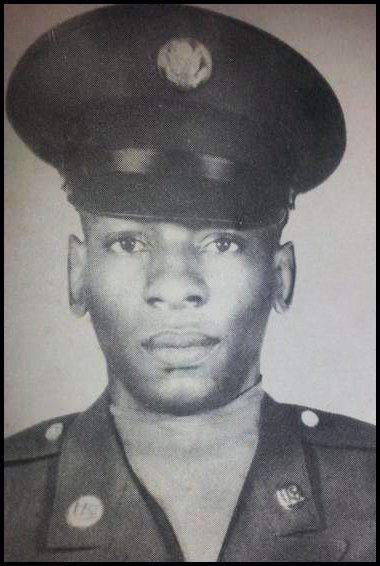
American Special Forces suffered more Green Berets killed and wounded in a single attack on August 23, 1968, than any other day in history. More than 100 sappers infiltrated the Special Forces camp situated on the southern coast of Da Nang, killing 16 Green... |
 |
Week of
August 15 |
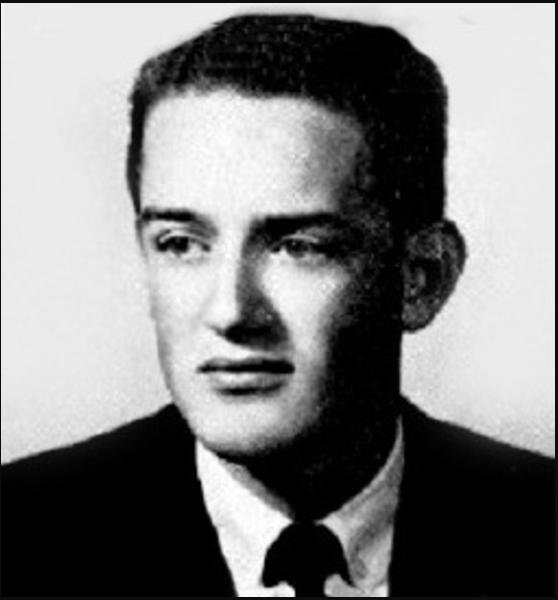
In the early morning darkness of August 11, 1969, just west of Dong Ha, in Quang Tri Province, a series of explosions jarred awake the men of the U.S. Army artillery base at Thon Vinh Dai. A small number of Viet Cong insurgents had quietly reached the perimeter... |
 |
Week of
August 8 |
On August 5, 1964, Lieutenant Junior Grade (LTJG) Richard Sather, a 26-year-old U.S. Navy aviator, boarded his A-1 Skyraider and launched off the deck of the USS Constellation. He and a handful of other flyers pointed their aircraft toward the coast... |
 |
Week of
August 1 |
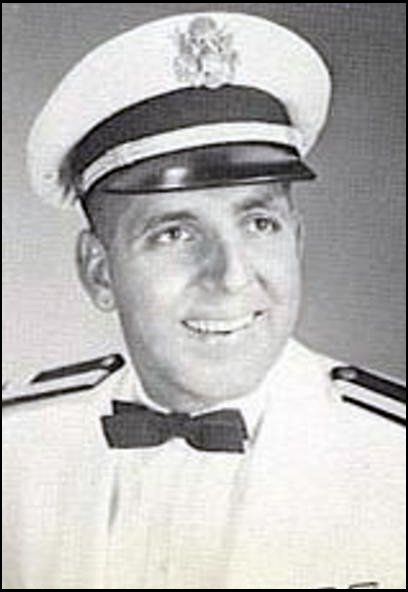
July 29th, 1967, was one of the deadliest days of the Vietnam War for American service people. Nearly 200 U.S. troops were killed on that single day. 134 of them died at sea, in the Gulf of Tonkin, aboard the aircraft carrier USS Forrestal. The carrier had... |
 |
Week of
July 25 |
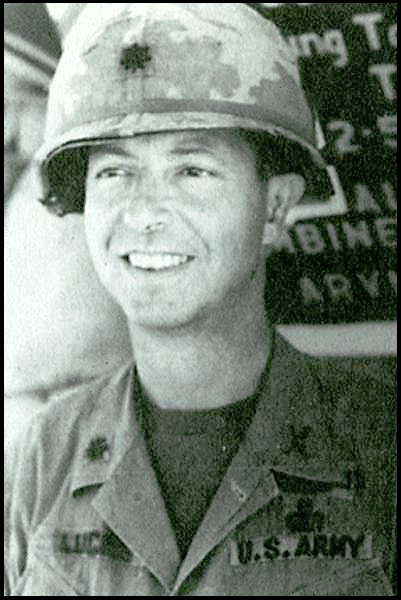
On July 24, 1965, two decorated veteran U.S. Air Force pilots were shot down over North Vietnam by a surface-to-air missile (SAM). The weapons officer, Captain Roscoe H. Fobair, was killed. Roscoe’s pilot, Captain Richard P. Keirn, successfully ejected and... |
 |
Week of
July 18 |
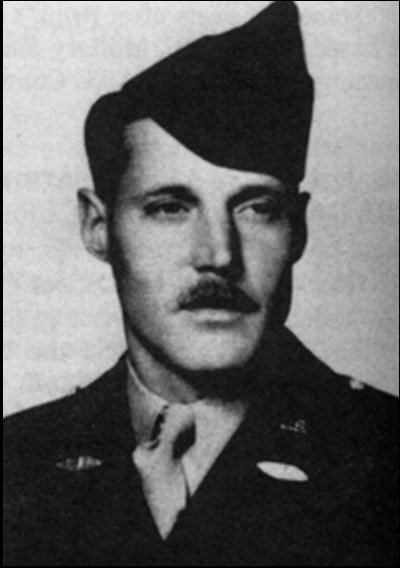
From July 1 to July 23, 1970, several hundred American soldiers of the 506th Infantry Regiment, 101st Airborne Division, defended a hilltop firebase against a North Vietnamese Army division intent on destroying them. The battle took place in the A Shau Valley at |
 |
Week of
July 11 |
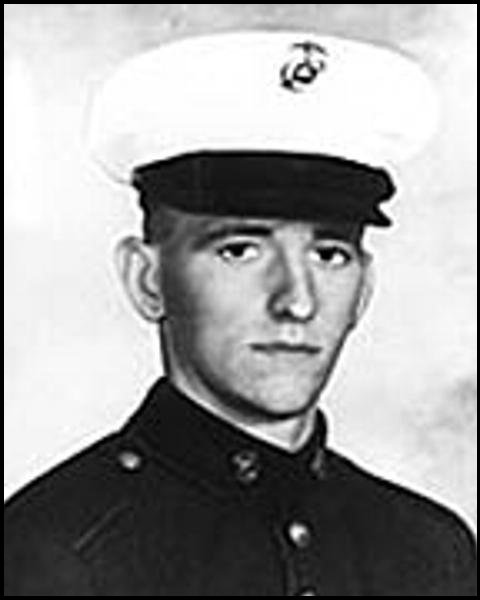
The first two American service people listed on the Vietnam Veterans Memorial Wall in Washington, D.C., are Major Dale Buis and Master Sergeant Chester Ovnand. Both were killed in Bien Hoa on July 8, 1959, at a time when most Americans had barely heard of
|
 |
Week of
July 4 |
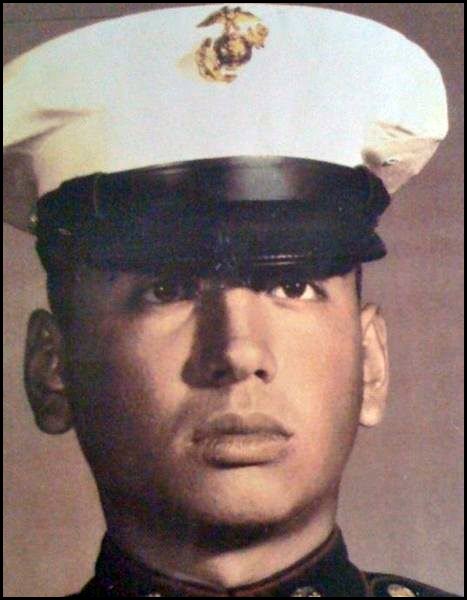
In the first hours of July 4, 1967, between 200 and 300 North Vietnamese Army troops broke into the nighttime silence with a surprise attack on elements of the 2d Battalion, 5th Marine Regiment, who were defending a night position on the top of...
|
 |
Week of
June 27 |
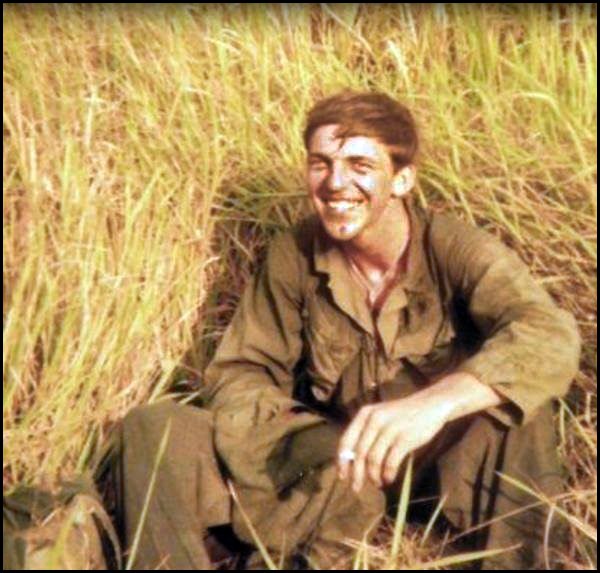
On June 28, 1968, I Company, 3d Battalion of the 27th Marines, 1st Marine Division, was on a patrol in Quang Nam Province. Walking fourth and fifth in line with their platoon were Private First Class Oscar Juarez and Petty Officer Third Class George L. Myers, Jr.,... |
 |
Week of
June 20 |
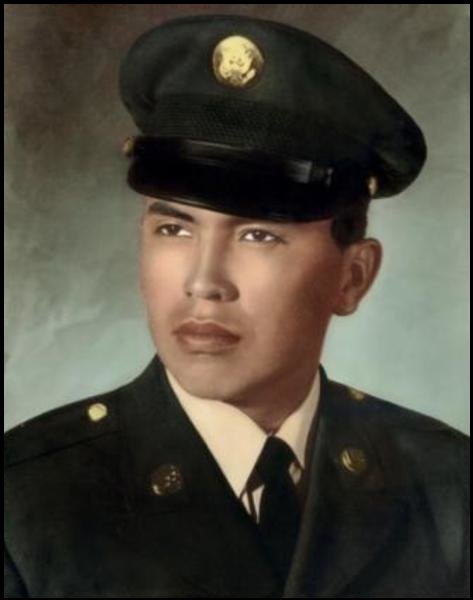
On June 20, 1970, the men of a reconnaissance platoon from the 198th Infantry Brigade, Americal Division of the U.S. Army, were on a night patrol in Quang Ngai Province, South Vietnam, searching for signs of Communist forces. As the platoon silently worked... |
 |
Week of
June 13 |
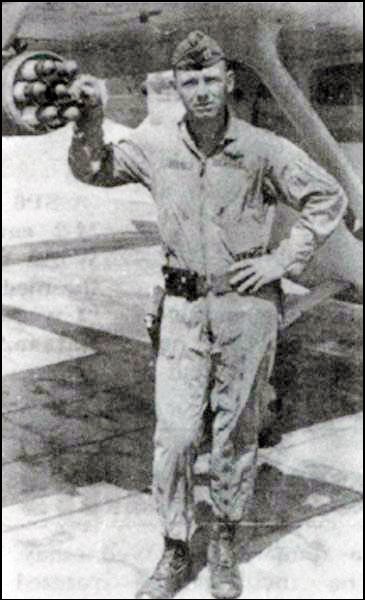
On June 10, 1971, four UH-1 “Huey” helicopters—two transports and two gunship escorts—were flying cover for a ground mission near Pleiku, South Vietnam. As the helicopters flew low over the thick jungle canopy, one of them burst into flames, hit by ground... |
 |
Week of
June 6 |
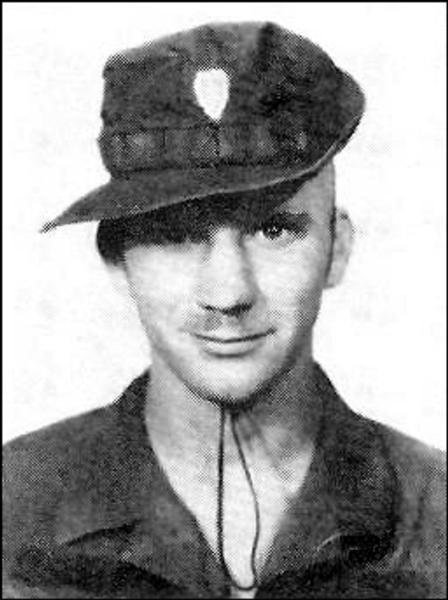
During the first week of June 1969, the month-long Operation APACHE SNOW came to a close. The operation involved primarily elements of the 101st Airborne Division, as well as parts of the 9th Marine Regiment and South Vietnamese 1st Infantry Division.... |
 |
Week of
May 30 |
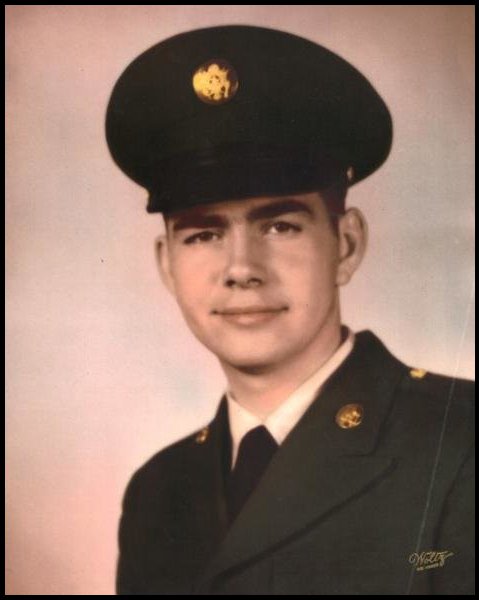
This Memorial Day week, exactly 50 years ago, two men earned the Medal of Honor on the same day in South Vietnam. In Binh Duong Province, Sergeant Charles C. Fleek was in command of a squad that was ordered to take part in an ambush of some North Vietnamese... |
 |
Week of
May 23
|
In the mid-morning sunlight of May 21, 1967, a column of U.S. Army armored personnel carriers (APCs) moved out from the small village of Soui Cat, in Long Khanh Province, South Vietnam. The column was on a routine supply mission, and, at first, all seemed calm as the... |
 |
Week of
May 16 |
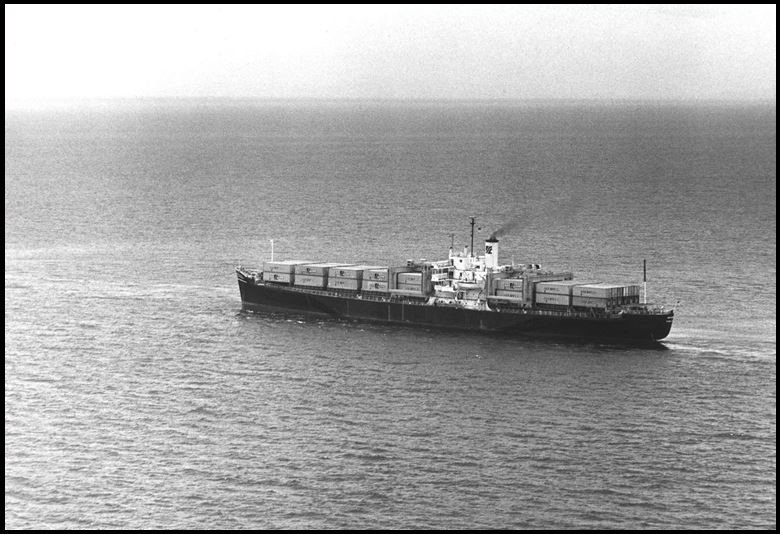
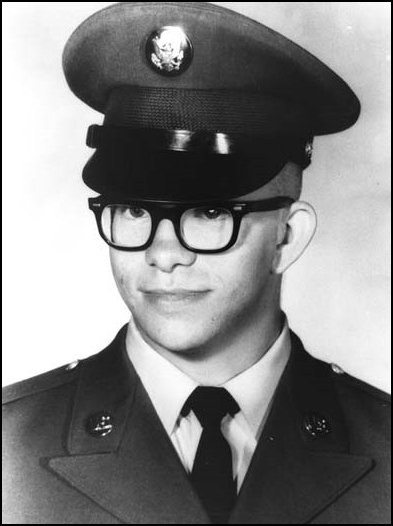
Less than two weeks after the fall of Saigon to North Vietnamese forces, and less than a month after the Khmer Rouge captured the Cambodian capital of Phnom Penh, Cambodian Communist troops forcibly seized an American merchant ship, the SS Mayaguez,... |
 |
Week of
May 9 |
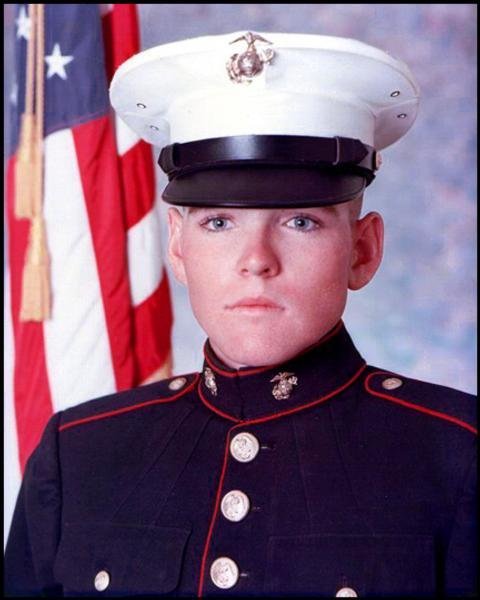
On May 7, 1970, in Thua Thien Province, South Vietnam, Private First Class Kenneth Kays earned the Medal of Honor for heroism in combat. He did so by saving the lives of three fellow soldiers during a North Vietnamese night attack on Fire Support Base Maureen, all... |
 |
Week of
May 2 |
On April 29, 1975, American leaders initiated Operation FREQUENT WIND, the final American evacuation of Vietnam. The North Vietnamese Army was at last closing in on Saigon, and United States Embassy personnel and a number of Vietnamese urgently boarded... |
 |
Week of
April 25 |
In the early morning darkness of April 23, 1965, a seven-man Marine Force Reconnaissance team disembarked a landing craft and waded ashore not far from Da Nang, in Quang Nam Province. Their mission was to probe for contact with Communist insurgents and scout the... |
 |
Week of
April 18 |
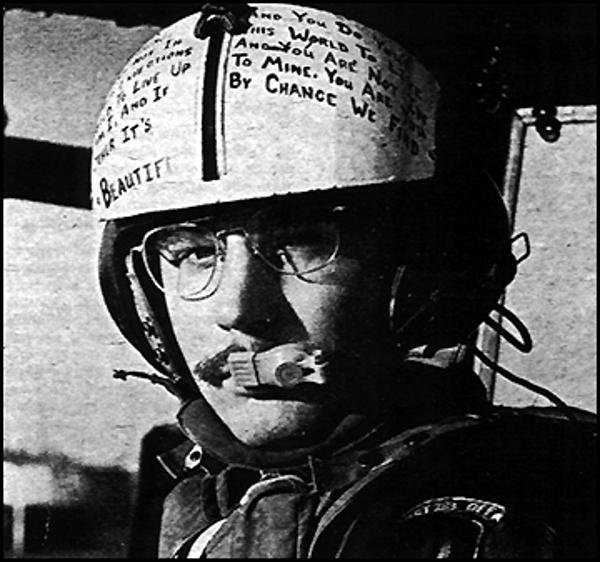
On the morning of April 15, 1966, a Navy UH-2 helicopter piloted by Lieutenant JG Michael Zerbe slowly lifted off the flight deck of the USS Kitty Hawk, somewhere in the South China Sea. He and two other crewmen were putting the UH-2 Seasprite through its paces,... |
 |
Week of
April 11 |
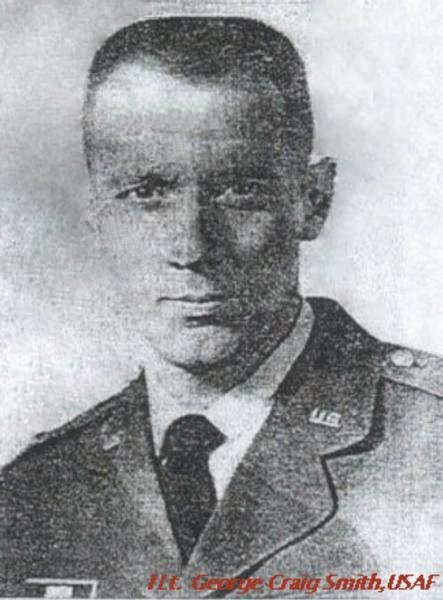
On April 7, 1972, the North Vietnamese Army launched an attack on the South Vietnamese city of An Loc as part of their ongoing “Easter Offensive” then raging across the country. The Communist battalion that moved toward An Loc appeared so suddenly that a number of... |
 |
Week of
April 4 |
Between April 3 and 4, 1965, during the early days of Operation ROLLING THUNDER, the United States Air Force sent over 100 fighter-bombers against a single bridge over the Song Ma, a river in North Vietnam. The Thanh Hoa Bridge, nicknamed the “Dragon’s... |
 |
Week of
March 28 |
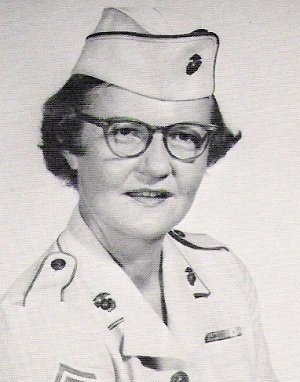
On March 30, 1965, CIA officer Barbara A. Robbins was killed when a Viet Cong car bomb exploded outside the U.S. embassy in Saigon, South Vietnam. At least 20 others were killed in the blast. Just over three years later, on July 8, 1965, Army Second Lieutenant Pamela... |
 |
Week of
March 21 |
On March 18, 1967, U.S. Marine Master Sergeant Barbara J. Dulinsky arrived at Bien Hoa Air Force Base, just outside of Saigon, after an 18-hour flight. She became the first woman Marine in history to be assigned to a combat zone. Dulinsky volunteered for a... |
 |
Week of
March 14 |
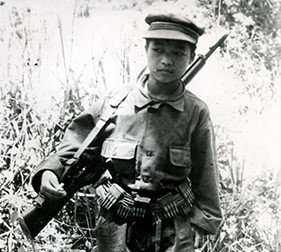
This week we take a moment to honor the service and sacrifice of a group of crucial U.S. allies during the Vietnam War: the Hmong. An indigenous group from Laos and traditionally anti-Communist, the Hmong were recruited by the CIA to wage a guerrilla war against... |
 |
Week of
March 7 |
On March 4, 1966, in the Tuy Hoa Valley of Phu Yen Province, two U.S. Army companies from the 101st Airborne Division engaged in a firefight with North Vietnamese forces in the village of My Phu. The day of fighting resulted in the deaths of 19 Americans, one of... |
 |
Week of
February 28 |
The battle of Khe Sanh is one of the most well-known battles of the Vietnam War. During the 1968 Tet Offensive, as many as 30,000 Communist Vietnamese forces surrounded roughly 6,000 U.S. marines defending a combat base on a high hill outside Khe Sanh.... |
 |
Week of
February 21 |
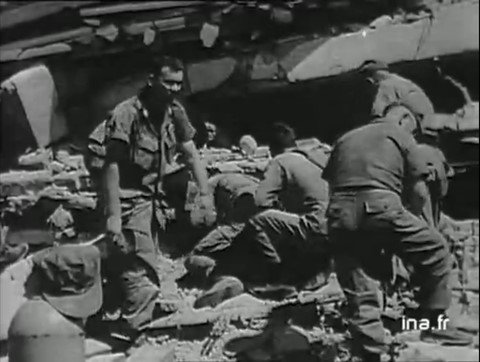
On February 23, 1969, North Vietnamese forces attempted to mount a second “general offensive” similar to the massive Tet Offensive of 1968. In what came to be known as “Tet 1969,” or sometimes... |
 |
Week of
February 14 |
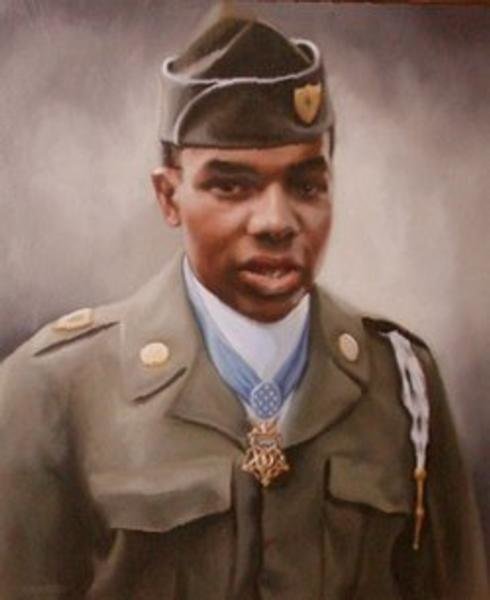
In early 1965, it seemed likely that the United States was hurtling toward a full-scale war in Vietnam. However, as of February of that year, American men and women were officially in Vietnam only as advisers to the South Vietnamese armed forces. The United States... |
 |
Week of
February 7 |
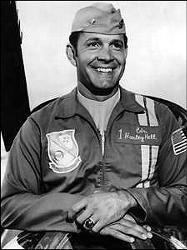
In the early morning darkness of February 7, 1968, the men based at the Special Forces camp near Lang Vei, South Vietnam, were on alert. The massive nationwide Tet Offensive of the previous weeks was beginning to subside, but the men on watch the previous... |
 |
Week of
January 31 |
By the early 1970s, few people in the United States wanted to focus on the divisive Vietnam War anymore. President Richard M. Nixon had promised that Vietnamization—the term he used for the process of turning over responsibility for the war to the South Vietnamese... |
 |
Week of
January 21 |
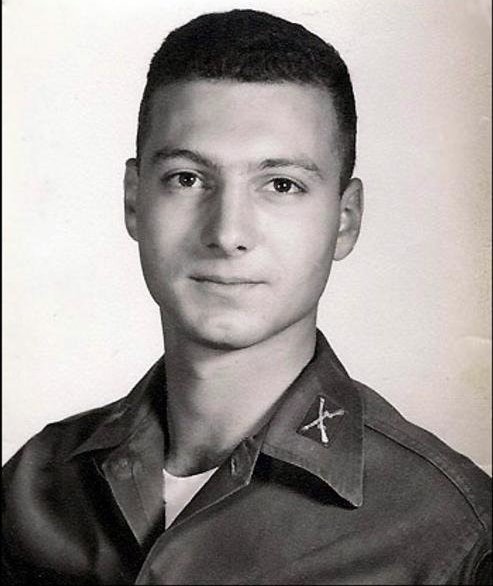
On January 22, 1969, The United States Coast Guard (USCG) Cutter Point Banks, on patrol south of Cam Rahn Bay, received a call for help from a nine-man South Vietnamese Army (ARVN) detachment trapped by two Viet Cong platoons. Petty Officer Willis J. Goff and... |
 |
 |
Week of
January 7 |
On January 7, 1966 U.S. and Australian Army forces launched Operation CRIMP, a massive, joint search and destroy operation in a region about 25 miles northwest of Saigon. Their objective was to locate and destroy the Viet Cong headquarters and stronghold... |
 |
Week of
December 24 |
From December 16–19, 1966, elements of the Army’s 9th Infantry Division began arriving in Vietnam. General William C. Westmoreland intended to use the division to increase U.S. presence around the Mekong Delta to improve security and enhance the... |
 |
Week of
December 17 |
In December 1965 the U.S. Marine Corps fought its second large-scale engagement against a main force Viet Cong unit: Operation HARVEST MOON. By mid-November, the 1st Viet Cong Regiment had recovered from the losses it sustained in Operation STARLITE,... |
 |
Week of
December 10 |
On December 6, 1968, the U.S. Navy launched Operation GIANT SLINGSHOT, with the goal of eliminating Communist infiltration of South Vietnam along the Vam Co Dong and Vam Co Tay rivers, near the Cambodian border—a region known as the “Parrot’s... |
 |
Week of
December 3 |
On December 2, 1965, the aircraft carrier USS Enterprise (CVAN-65) became the first nuclear-powered carrier in history to engage in combat operations when the ship, at Dixie Station off the coast of southern South... |
 |
Week of
November 26 |
On November 22, 1963, President John F. Kennedy was assassinated in Dallas, Texas by Lee Harvey Oswald. Oswald shot Kennedy from the Texas schoolbook depository, along the presidential motorcade’s route through.... |
 |
Week of
November 19 |
During the 1965 Pleiku Campaign in the Central Highlands of South Vietnam, the men of the U.S. Army 1st Cavalry Division dropped into the Ia Drang Valley on November 14, 1965. At the first landing zone, LZ X-Ray,... |
 |
Week of
November 12 |
On November 12, 1965, U.S. Army forces began searching for the North Vietnamese Army troops who were operating in South Vietnam’s rugged Central Highlands. Following a Communist attack on a Special... |
 |
Week of
November 5 |
On November 4, 1965, photojournalist Dickey Chapelle, one of the few woman journalists in Southeast Asia, accompanied a U.S. Marine platoon on a search-and-destroy patrol near... |
 |
Week of
October 29 |
On October 26, 1966, on Yankee Station, a sailor aboard the aircraft carrier USS Oriskany (CVA 34) accidentally ignited a magnesium parachute flare inside the flare locker of Hanger Bay 1, just below the flight deck.... |
 |
Week of
October 22 |
On October 23, 1972, after five months of intensive bombing, President Richard M. Nixon ordered an end to the air campaign over North Vietnam known as Operation... |
 |
Week of
October 15 |
Paul Hellstrom Foster was born in April 1939 in San Mateo, California. He joined the Marine Corps in San Francisco at the age of 22, in November 1961. Foster deployed to Vietnam at the end of 1966 and eventually was... |
 |
Week of
October 8 |
During the first two weeks of October 1967, some of the heaviest fighting of Operation WHEELER took place in I Corps, as elements of the 23d Infantry Division (Americal)... |
 |
Week of
October 1 |
On October 1, 1965—exactly 50 years ago, this week—the U.S. Army 1st Cavalry Division (Airmobile) became operational in South Vietnam. The 1st Cavalry Division was the first.... |
 |
Week of
September 24 |
On September 21, 1971, nearly 200 U.S. Air Force fighter and fighter-bomber aircraft launched an airstrike against three gasoline storage facilities just south of Dong Hoi, North... |
 |
Week of
September 17 |
In late 1969, 27-year-old Staff Sergeant Melvin Morris was commanding a Mobile Strike Force team from the U.S. Army 5th Special Forces near Chi Lang, in southern South Vietnam.... |
 |
Week of
September 10 |
Between September 4 and September 12, 1967, multiple North Vietnamese Army regiments laid siege to the vital U.S. Marine Corps base on Con Thien, a hill just two miles... |
 |
Week of
September 3 |
On September 5, 1961, Secretary of Defense Robert S. McNamara informed the service secretaries that he planned to establish a new command, under the Military Assistance... |
 |
Week of
August 27 |
On August 23, 1966, the U.S. Army 1st Infantry Division launched Operation AMARILLO, a search-and-destroy and road security operation in III Corps, covering parts.... |
 |
Week of
August 20 |
On August 18, 1966, near the Australian army base at Nui Dat, southeast of Saigon, 108 Australians from Company D of the 6th Battalion, Royal Australian Regiment (6RAR)... |
 |
Week of
August 13 |
Between August 9 and 11, 1968, U.S. Army Sergeant Robert Woods and his team of "tunnel rats" from the 1st Infantry Division achieved one of the most important successes... |
 |
Week of
August 6 |
In August of 1966 Naval aviators of Helicopter Combat Support Squadron One (HC-1)began flying UH-1 “Huey” helicopters in III Corps and IV Corps over the twisting waterways of the... |
 |
Week of
July 30 |
On July 29, 1967 the aircraft carrier USS Forrestal (CV-59) was on Yankee Station in the South China Sea off the coast of North Vietnam. Her crew was preparing a second... |
 |
Week of
July 23 |
On July 24, 1965, F-105 Thunderchiefs were attacking an explosives factory in North Vietnam. A flight of four F-4C Phantoms provided air cover while and EB-66 Destroyer... |
 |
Week of
July 16 |
The area around Da Nang, especially military installations, was subject to rocket attacks since that February. The area the rockets were fired from was called the "Rocket Belt". ... |
 |
Week of
July 9 |
As units from the 1st Infantry Division continued to hunt the Viet Cong in the Binh Long province of the III Corps Tactical Zone, General William E. DePuy gave Colonel Sidney B. Berry of the 1st Infantry Brigade a special assignment to trick the enemy into ... |
 |
Week of
July 2 |
Operation Thor, the joint mission to attack and destroy North Vietnamese long-range artillery facing the Demilitarized Zone (DMZ), coast artillery batteries, antiaircraft positions, and staging areas for infiltration, supplies and transport, took place July 1 - 7, 1968.... |
 |
Week of
June 25 |
In 1967 this was the first full week of Operation GREELEY in the Central Highlands of II Corps. Two battalions of the 173rd Airborne Brigade, 1st and 2nd Battalions of the 503rd Infantry Regiment, were sent to Dak To to stave off attacks on a Special Forces camp. On... |
 |
Week of
June 18 |
On June 18, 1965, the first ARC LIGHT Mission was flown by 30 U.S Air Force B-52 Bombers. It was flown against Viet Cong targets near Ben Cat north of Saigon. ARC LIGHT missions were distinguished from other missions by their need for a high degree of accuracy to hit well... |
 |
Week of
June 11 |
On June 9, 1965 at 11:30P.M. elements of the Viet Cong 762nd and 763rd Regiments totaling at least 1,500 men attacked a Special Forces camp of the 5th Special Forces Group at Dong Xoai, and the adjacent district headquarters. The Defenders included eleven.... |
 |
Week of
June 4 |
On June 1, 1967, Task Force 117, the Mobile Riverine Force, became operational. It was a joint U.S. Army-Navy task force whose goal was to search out and eliminate Viet Cong elements in the waterways of the Mekong Delta. During operations, Navy gunboats... |
 |
Week of
May 28 |
On May 26, 1967, Operation UNION II began in the Que Son Basin in southern I Corps. The 1st and 3rd Battalions of the 5th Marine Regiments were initially supported by South Vietnamese Rangers. They drove off the entrenched 3rd North Vietnamese Army Regiment... |
 |
Week of
May 21 |
On May 22, 1964, the CIA-run airline known as Air America officially began to support search-and-rescue missions for downed American aviators in Laos and North Vietnam. Air America pilots flew piston-engine aircraft and helicopters for these and other covert... |
 |
Week of
May 14 |
On May 10, 1969, U.S. and allied forces launched Operation APACHE SNOW, an effort to dislodge the North Vietnamese army from the A Sau Valley. The valley, adjacent to Laos,... |
 |
Week of
April 30 |
In April 1975, South Vietnam was on the verge of collapse as the North Vietnamese army closed in around Saigon. With almost all U.S. troops having left Vietnam in 1973, the few... |
 |
Week of
April 23 |
On April 24, 1950, President Harry S. Truman approved the contents of National Security Council Report (NSC) 64. The memorandum was drafted by the State Department and the... |
 |
Week of
April 16 |
On April 17, 1956, three U.S. Army women nurses arrived in Saigon as part of a medical training team assigned to the U.S. Military Assistance and Advisory Group, Vietnam.... |
 |
Week of
April 9 |
At the end of 1964, with direct U.S. participation in combat operations poised to begin, there were about 23,000 U.S. forces in Vietnam. In less than five years, by the first... |
 |
Week of
April 2 |
By the end of March 1972, there were fewer than 70,000 U.S. troops in Vietnam (after peaking in 1969 at over 540,000). Following President Richard Nixon's "Vietnamization"... |
 |
Week of
March 26 |
On March 26, 1964, Air Force Captain Richard L. Whitesides and Army Special Forces Captain Floyd J. Thompson were conducting a reconnaissance mission aboard a small... |
 |
Week of
March 19 |
In late February 1965, a U.S. helicopter pilot spotted a 130-foot North Vietnamese vessel anchored in South Vietnam's Vung Ro Bay. Investigators discovered the ship was carrying... |
 |
Week of
March 12 |
As the United States commenced a bombing campaign against North Vietnam, American leaders grew concerned about the possibility of Communist retaliation against U.S.... |
 |
Week of
March 5 |
On March 2, 1965, U.S. Air Force, Navy, and Marine Corps aircraft commenced the bombing of military, industrial, and infrastructure targets in North Vietnam. Called... |
 |
Week of
February 12 |
On February 12, 1973, a group of American prisoners of war (POWs) lifted off from Hanoi's Gia Lam Airport, in North Vietnam, aboard a U.S. Air Force C-141 Starlifter. These men... |